
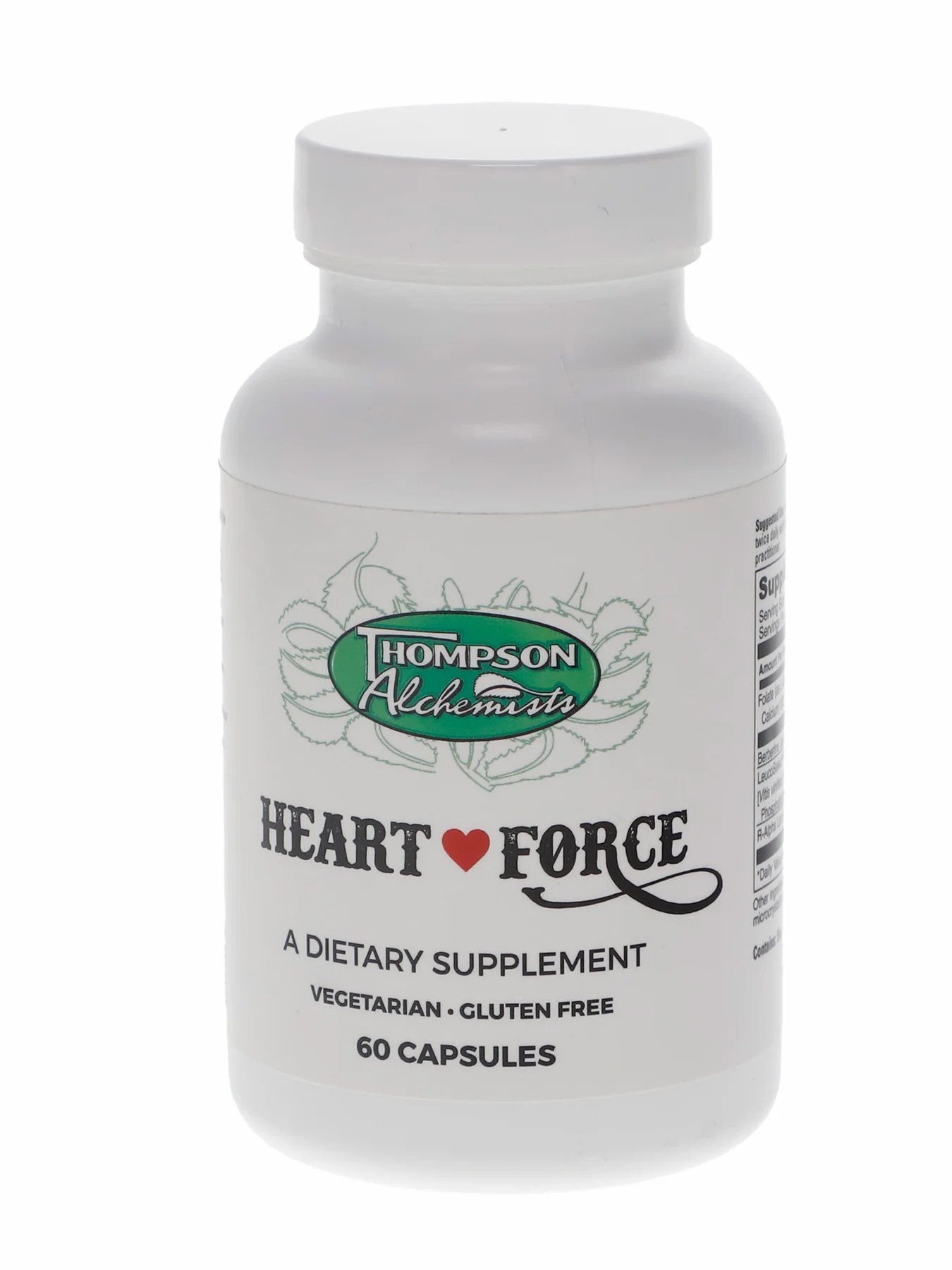
Heart Force
I put together a blend of Berberine, folate as a Methyl tetrahydrofolate, Grape Seed Extract as a phosphatidylcholine Complex and R-Alpha Lipoic Acid to help with my daily cardiovascular health. I personally have been taking this blend and have found along with diet and exercise and the medication prescribed by my cardiologist to increase my heart function.
5-MTHP is a well absorbed form of folic acid. Low levels of folic acid can lead to anemia. Folic acid increases cardiac output and decreases homocysteine levels. Conditions that can cause low folate levels include poor diet, pregnancy, alcoholism, liver disease, certain stomach/intestinal problems, kidney dialysis, among others
Berberine is known to have an effect of protecting heart failure, hypertension, hyperlipidemia, insulin resistance, arrhythmias, and platelet aggregation: (Study progress of berberine).
Berberine is an herb that helps Stabilize glucose. Fewer peaks and troughs with blood glucose levels have been shown to put less stress on the heart and increase output. Berberine improves metabolism by activating the enzyme AMPK (AMP- activated protein kinase)
Berberine lowers bad cholesterol. Berberine works by inhibiting an enzyme called PCSK9, leading to more LDL cholesterol being from bloodstream.
Grape seed extract is derived from the seeds of grapes and is rich in antioxidants. It has gained popularity for its potential health benefits. Here are some of the potential benefits associated with grape seed extract:
- Antioxidant properties: Grape seed extract is known for its high concentration of antioxidants, such as proanthocyanins. These antioxidants help protect cells from damage caused by free radicals, which are unstable molecules that can lead to oxidative stress and contribute to various health issues.
- Heart health: Some studies suggest that grape seed extract may help promote heart health by improving blood flow, reducing oxidative stress, and supporting the health of blood vessels. It may also have a positive effect on cholesterol levels by reducing LDL (bad) cholesterol and increasing HDL (good) cholesterol.
- Anti-inflammatory effects: The antioxidants in grape seed extract have anti-inflammatory properties, which may help reduce inflammation throughout the body. Chronic inflammation is associated with various diseases, including heart disease, diabetes, and certain types of cancer.
- Skin health: Grape seed extract is often used in skincare products due to its potential benefits for the skin. It may help protect against damage from UV rays, improve collagen synthesis, and promote overall skin health. It is also believed to have moisturizing and anti-aging effects.
- Cognitive function: Some studies suggest that grape seed extract may have positive effects on cognitive function and may help protect against age-related cognitive decline. It is believed to enhance blood flow to the brain and provide neuroprotective effects.
R-alpha lipoic acid (R-ALA) is a naturally occurring compound that acts as a powerful antioxidant in the body. It has several potential health benefits. Here are some of the key benefits associated with R-alpha lipoic acid:
- Antioxidant activity: R-alpha lipoic acid is a potent antioxidant that helps neutralize harmful free radicals in the body. It can protect cells and tissues from oxidative stress, which is associated with various chronic diseases, including heart disease, diabetes, and certain types of cancer.
- Regeneration of other antioxidants: R-alpha lipoic acid has the unique ability to regenerate other antioxidants, such as vitamins C and E, glutathione, and coenzyme Q10. This enhances the antioxidant capacity of the body and helps maintain a healthy balance of antioxidants.
- Blood sugar regulation: R-alpha lipoic acid has been studied for its potential benefits in managing blood sugar levels. It may enhance insulin sensitivity, improve glucose uptake into cells, and promote healthy glucose metabolism. These effects may be beneficial for individuals with diabetes or those at risk of developing diabetes.
- Nerve health and neuropathy: R-alpha lipoic acid has shown promise in supporting nerve health and alleviating symptoms of neuropathy. It may help reduce pain, numbness, and tingling associated with conditions like diabetic neuropathy and other forms of nerve damage.
- Anti-inflammatory effects: R-alpha lipoic acid has anti-inflammatory properties and can help reduce inflammation in the body. Chronic inflammation is linked to various health problems, including cardiovascular disease, arthritis, and neurodegenerative disorders. By reducing inflammation, R-alpha lipoic acid may contribute to overall health and well-being.
- Skin health: R-alpha lipoic acid is used in some skincare products due to its potential benefits for the skin. It can help protect against UV damage, reduce oxidative stress, and improve the appearance of aging skin, including fine lines and wrinkles.
Berberine is a bioactive compound found in several plants, including goldenseal, barberry, and Oregon grape. It has been used in traditional Chinese medicine for centuries and has gained attention for its potential health benefits. Here are some of the key benefits associated with berberine:
- Blood sugar regulation: Berberine has been extensively studied for its ability to help regulate blood sugar levels. It may enhance insulin sensitivity, improve glucose metabolism, and reduce glucose production in the liver. These effects make it beneficial for individuals with diabetes or those at risk of developing diabetes.
- Cholesterol management: Berberine may help improve lipid profiles by reducing total cholesterol, LDL (bad) cholesterol, and triglyceride levels while increasing HDL (good) cholesterol. This can contribute to a healthier cardiovascular system and may help lower the risk of heart disease.
- Weight management: Berberine has been shown to have potential benefits for weight loss and management. It may help regulate appetite, reduce fat accumulation, and enhance metabolism. However, it is important to note that lifestyle factors such as diet and exercise play a crucial role in achieving and maintaining a healthy weight.
- Gut health: Berberine has antimicrobial properties and may help rebalance the gut microbiota. It can inhibit the growth of harmful bacteria and promote the growth of beneficial bacteria. This can have positive effects on digestion, gut health, and overall immune function.
- Anti-inflammatory effects: Berberine exhibits anti-inflammatory properties and may help reduce inflammation in the body. Chronic inflammation is associated with various diseases, including cardiovascular disease, diabetes, and certain cancers. By reducing inflammation, berberine may contribute to overall health and well-being.
- Liver health: Berberine has shown promise in supporting liver health and protecting against liver damage. It may help improve liver function, reduce liver fat accumulation, and support detoxification processes in the liver.
It is important to note that while berberine has demonstrated promising results in numerous studies, more research is needed to fully understand its mechanisms and effectiveness for different health conditions. Additionally, berberine can interact with certain medications, so it is essential to consult with a healthcare professional before starting any new supplement or making significant changes to your healthcare routine.
 The Beauty Blog